

Why sensitive skin needs a gentler approach
Sensitive skin isn't a diagnosis so much as a description of how your skin behaves. It stings, reddens, tightens, flakes or itches in response to things other people barely notice. Underneath it all, the common thread is usually a weakened skin barrier — the outer layer that should hold water in and keep irritants out. When that barrier is compromised, almost anything can feel like an attack.
Inflammatory skin conditions such as eczema, psoriasis, rosacea and contact dermatitis share much of this territory. They flare, settle, and flare again. If you've been prescribed a topical steroid, it has one clear job: to calm inflammation quickly so the skin can begin to repair itself. A skincare routine has a different job. It keeps the barrier as resilient as possible between flares, so there is less inflammation for the steroid to chase.
The good news is that a routine built for sensitive skin is not complicated. It is simply short, fragrance-free and consistent.
Simplify first: fewer products, introduced slowly
The instinct during a bad patch is to try everything at once. It rarely helps, and it makes it impossible to tell what caused a reaction. Strip back to three steps — cleanse, moisturise, protect — and rebuild only when your skin has been calm for a couple of weeks.
- Introduce one new product at a time and leave three to five days before adding another.
- Patch test on the inner forearm or behind the ear for 48 hours before using anything on your face.
- Keep a brief note of what you used and when symptoms changed, so patterns become obvious.
- Buy the smallest size available while you're trialling something new.
Step one: cleanse gently
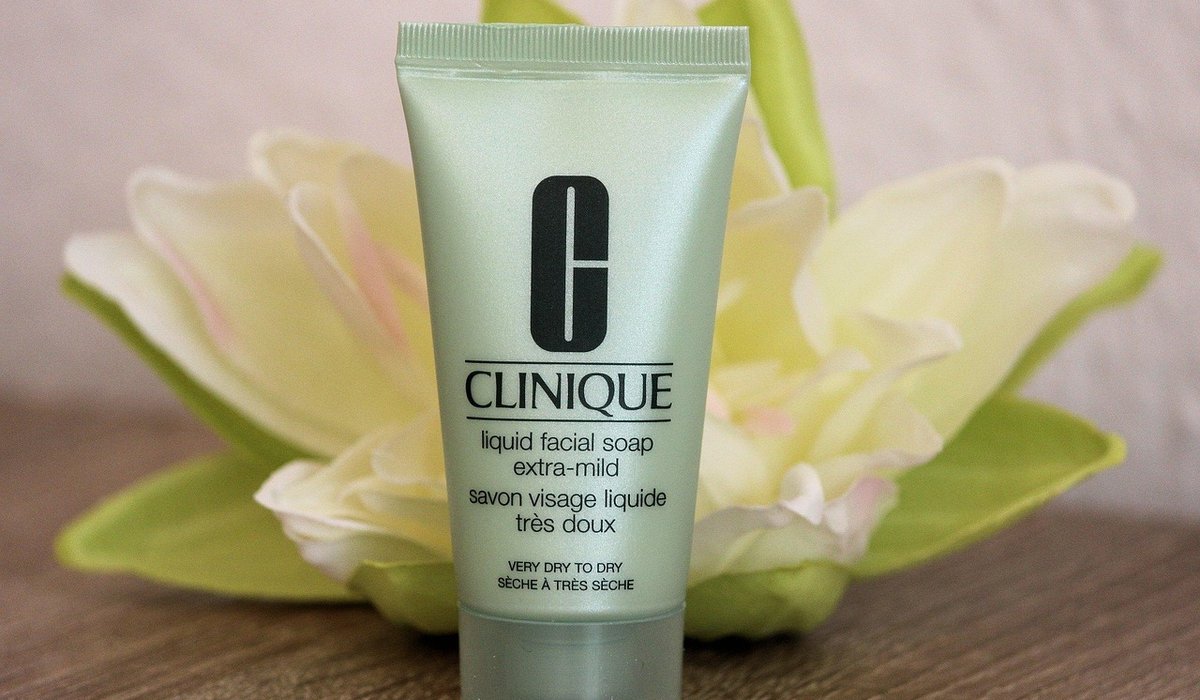
Cleansing should remove sweat, dirt and leftover product without stripping the lipids your barrier needs. Look for a fragrance-free, soap-free cleanser — a cream, lotion or mild syndet (synthetic detergent) bar rather than a traditional soap, which is alkaline and disruptive.
- Use lukewarm water, never hot. Hot water increases redness and itch almost immediately.
- Cleanse once or twice daily at most. If your skin is very dry or reactive, water alone in the morning is plenty.
- Apply with fingertips and rinse, or wipe off with a soft cloth. Skip flannels, brushes and anything that scrubs.
- Pat dry within a minute and moisturise while the skin is still slightly damp.
If you wear sunscreen or make-up, use a fragrance-free micellar water or cleansing oil first, then follow with your gentle cleanser.
Step two: moisturise to rebuild the barrier
Moisturising is the workhorse of any sensitive skin routine. You are replacing water, sealing it in, and topping up the lipids that hold the barrier together. Look for ceramides, glycerin, squalane, oat extract, panthenol, niacinamide or petrolatum — and choose a texture you will actually use every day.
- Creams and ointments generally suit very dry or flaring skin; lotions suit oilier or summer skin.
- Apply liberally and often. Twice daily is a minimum; during a flare, top up whenever skin feels tight.
- For the body, a fingertip unit — the amount from the tip of your index finger to the first crease — covers an area about the size of two flat hands.
- Avoid anything with added fragrance, essential oils, alcohol denat., menthol or witch hazel. "Natural" does not mean gentle.
Keep a plain, unperfumed emollient by the sink and another by the bed. Accessibility matters more than elegance.
Step three: protect — sunscreen, temperature and touch
UV light can trigger flares in rosacea and make post-inflammatory marks darker and longer-lasting. Choose a broad-spectrum SPF 30 or higher, ideally with mineral filters such as zinc oxide or titanium dioxide, which tend to be better tolerated than chemical filters on reactive skin.
- Apply sunscreen as the last step of your morning routine, and reapply if you're outdoors for long periods.
- Protect your face with a hat and scarf rather than relying on sunscreen alone.
- Avoid sudden temperature swings — hot showers, saunas, very cold wind — and keep indoor heating moderate.
- Resist rubbing or scratching. Cool compresses and keeping nails short help more than you'd think.
Skip exfoliating acids, retinoids, scrubs and clay masks while your skin is unsettled. They can all be reintroduced later, one at a time, once things have been calm for several weeks.
Where topical steroids fit, and when to ask for help
Topical steroids are effective, well-studied medicines for inflammatory flares, and using them as prescribed is not a failure of your skincare routine — it's part of it. Apply them to the affected area only, in the thickness directed by your prescriber, and follow their guidance on how long to continue.
Timing matters. Leave roughly 30 minutes between applying an emollient and a topical steroid, so the steroid isn't diluted or spread beyond the area being treated. Wash your hands afterwards unless your hands are the treated area. Don't use a steroid on broken, infected or weeping skin without medical advice, and don't apply it to the face or eyelids unless specifically instructed.
Speak to your GP or pharmacist if a flare isn't improving after a few days of treatment, if the skin looks infected, or if you're reaching for a steroid more often than prescribed. Sensitive skin is manageable, but it deserves a proper plan — and a routine this simple is a good place to start.


Coding is used in almost all aspects of life and work now, be it directly or indirectly. It’s not just for companies in the tech sector. “An increasing number of businesses rely on computer code,
Coding is used in almost all aspects of life and work now, be it directly or indirectly. It’s not just for companies in the tech sector. “An increasing number of businesses rely on computer code,
Coding is used in almost all aspects of life and work now, be it directly or indirectly. It’s not just for companies in the tech sector. “An increasing number of businesses rely on computer code,